
Searching for a new job can feel like a full-time job in itself. You spend hours scrolling through listings, researching companies, and wondering if your application will even be seen by a human being. The very first step in this journey is creating your resume. Think of your resume as a marketing brochure where the product is you. Because recruiters often look at a resume for only six or seven seconds before deciding whether to keep it or toss it, choosing the right resume formats & templates is one of the most important career decisions you will make. In this guide, we are going to explore the world of resume formats & templates using simple English and a friendly, human tone. We want to show you that you don’t need to be a graphic designer to have a beautiful application. Whether you are a student, a senior professional, or someone changing careers, these resume formats & templates strategies will help you stand out from the crowd and get that all-important interview invitation.
Why Your Choice of Resume Formats & Templates Matters So Much
In 2026, the job market is faster and more digital than ever. Most large companies use software called “Applicant Tracking Systems” (ATS) to read your resume before a human even sees it. If you choose resume formats & templates that are too complicated—with too many images, charts, or strange fonts—the software might get confused and reject your application automatically. This is why the structure of your document is just as important as the words you write. Good resume formats & templates provide a clear “road map” for the reader. They tell the recruiter exactly where to find your contact info, your skills, and your work history. By picking the right resume formats & templates, you are making it easy for the employer to say “Yes” to you.
The Classic Chronological Resume: The Safe and Strong Choice
When people think of a resume, they usually think of the chronological format. This is the most popular choice in the world of resume formats & templates. It lists your work experience starting with your most recent job and moving backward in time. This format is fantastic if you have a steady work history in the same industry. It shows growth and consistency. Recruiters love this part of resume formats & templates because it is very easy to read. They can quickly see how you have progressed in your career. If you are applying for a traditional role in a field like finance, law, or healthcare, a clean, chronological template is almost always your best bet. It is professional, reliable, and very ATS-friendly.
The Functional Resume: Perfect for Career Changers and Students
Sometimes, your work history isn’t a straight line. Maybe you took a break to travel, or you are trying to move into a completely new industry. In these cases, the traditional chronological style might not be the best of the resume formats & templates. Instead, you might want to try a “Functional” resume. This format focuses on your skills rather than your timeline. You group your experiences under headings like “Leadership,” “Technical Skills,” or “Customer Service.” This is a powerful option among resume formats & templates for people who have gaps in their work history or for fresh graduates who have lots of skills but not much “official” experience yet. It allows you to highlight your potential rather than just your past.
The Hybrid or Combination Resume: The Best of Both Worlds
If you want to show off your skills while also providing a clear timeline, the Hybrid resume is the winner in the world of resume formats & templates. It starts with a strong skills summary at the top and then follows with a brief chronological work history. This is becoming one of the most popular resume formats & templates in 2026 because it satisfies both the human recruiter and the computer software. It allows you to “hook” the reader with your best achievements immediately, while still providing the context of where and when you worked. This format is great for middle-management roles or creative professionals who want to prove they have both the technical “know-how” and the experience to back it up.
Modern vs. Traditional Resume Formats & Templates: Which to Pick?
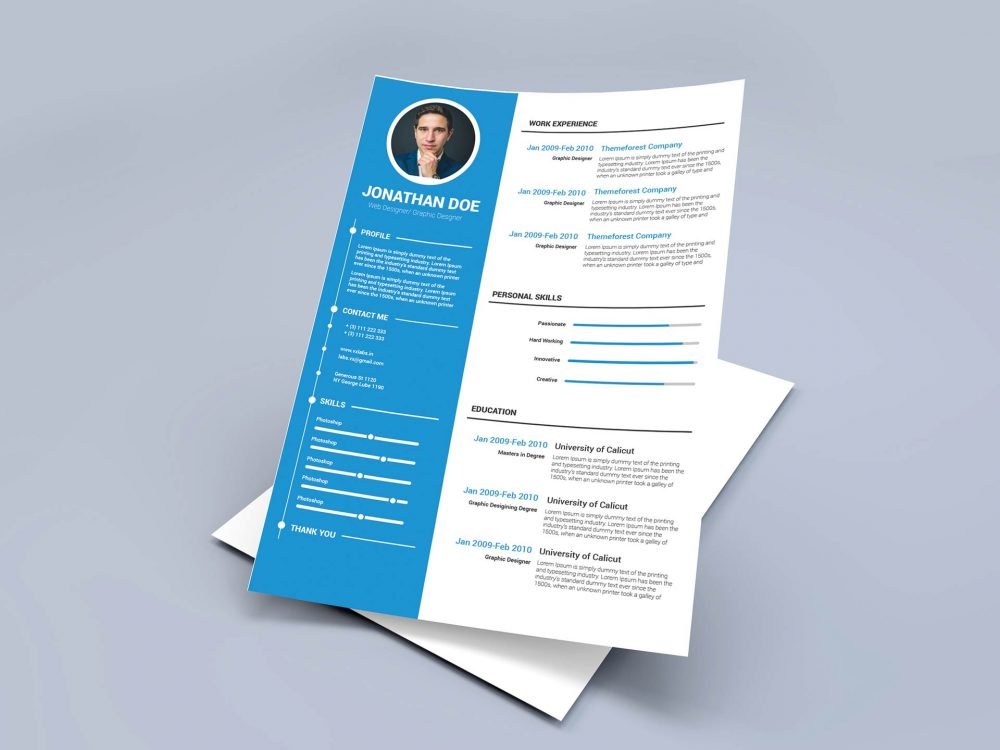
When you look for templates online, you will see two main styles: Modern and Traditional. Traditional resume formats & templates use standard fonts like Times New Roman or Arial and a lot of white space. They look very serious and “corporate.” Modern resume formats & templates might use sans-serif fonts, small pops of color, and sidebars for your contact info. Which one should you choose? A good rule of thumb is to match the template to the company culture. If you are applying to a trendy tech startup or a design agency, a modern template shows you “fit in.” If you are applying to a 100-year-old bank, a traditional template shows you respect their professional standards. Your choice of resume formats & templates should reflect the environment you want to work in.
The “Golden Rule” of White Space in Resume Formats & Templates
A common mistake people make is trying to cram as much text as possible onto one page. They use tiny fonts and narrow margins, making the page look like a wall of gray text. This is a nightmare for recruiters! One of the most important things to look for in resume formats & templates is the “breathability” of the design. This is called white space. White space helps the reader’s eye move smoothly from one section to another. It makes your bullet points stand out. When you use resume formats & templates with good margins and clear spacing between paragraphs, your resume looks more organized and professional. Remember, if a recruiter has to squint to read your resume, they probably won’t read it at all.
How to Choose ATS Friendly Resume Formats & Templates
As we mentioned, the computer software (ATS) needs to be able to “parse” or read your resume. To make sure your resume formats & templates are safe, avoid putting important information in headers or footers, as some software can’t see those areas. Use standard section titles like “Work Experience” and “Education” instead of “Where I’ve Been” or “My Learning Journey.” Also, avoid using tables or columns inside your work history section, as they can scramble the text for the computer. The best resume formats & templates for the digital age are simple, single-column designs with clear headings and standard bullet points. By keeping the design clean, you ensure that both the machine and the human can understand your value.
The One Page vs. Two Page Debate in Resume Formats & Templates
A very common question is: “Should my resume be one page or two?” For many years, the rule was strictly one page. However, in 2026, the world of resume formats & templates has become a bit more flexible. If you have less than ten years of experience, you should definitely stick to one page. It forces you to be concise and only include your best work. If you are a senior executive with 20 years of experience and multiple degrees, a two-page resume is perfectly acceptable. However, never go to a second page just to “fill space.” Every word on your resume should earn its place. If your second page is only three lines long, it’s better to edit your text and keep it on one page using smart resume formats & templates adjustments.
Where to Find the Best Free Resume Formats & Templates
You don’t need to pay for expensive resume-building software to get a great look. There are many fantastic free resources for resume formats & templates. Google Docs and Microsoft Word both have built-in resume templates that are professional and easy to edit. Websites like Canva offer beautiful, creative resume formats & templates, but be careful—some of these are very “busy” and might not be ATS-friendly. Always look for a template that allows you to download your resume as a PDF. A PDF is the gold standard for sending your resume because it ensures that the formatting stays exactly the same, no matter what computer the recruiter is using to open it.
Conclusion: Tailoring Your Template to Your Success
In conclusion, your resume is your first handshake with a potential employer. By choosing the right resume formats & templates, you are showing that you are professional, organized, and aware of modern standards. We have looked at the classic chronological style, the skills-based functional style, and the popular hybrid approach. We also discussed the importance of white space, ATS friendliness, and matching your design to the company culture.
The most important thing to remember is that while the template is the “package,” your achievements are the “gift.” A beautiful template cannot hide a lack of effort, but a great candidate can be ignored because of a bad template. Use these resume formats & templates as a foundation to tell your story clearly and proudly. You have the skills and the experience—now go out there and show them off in the best possible light!