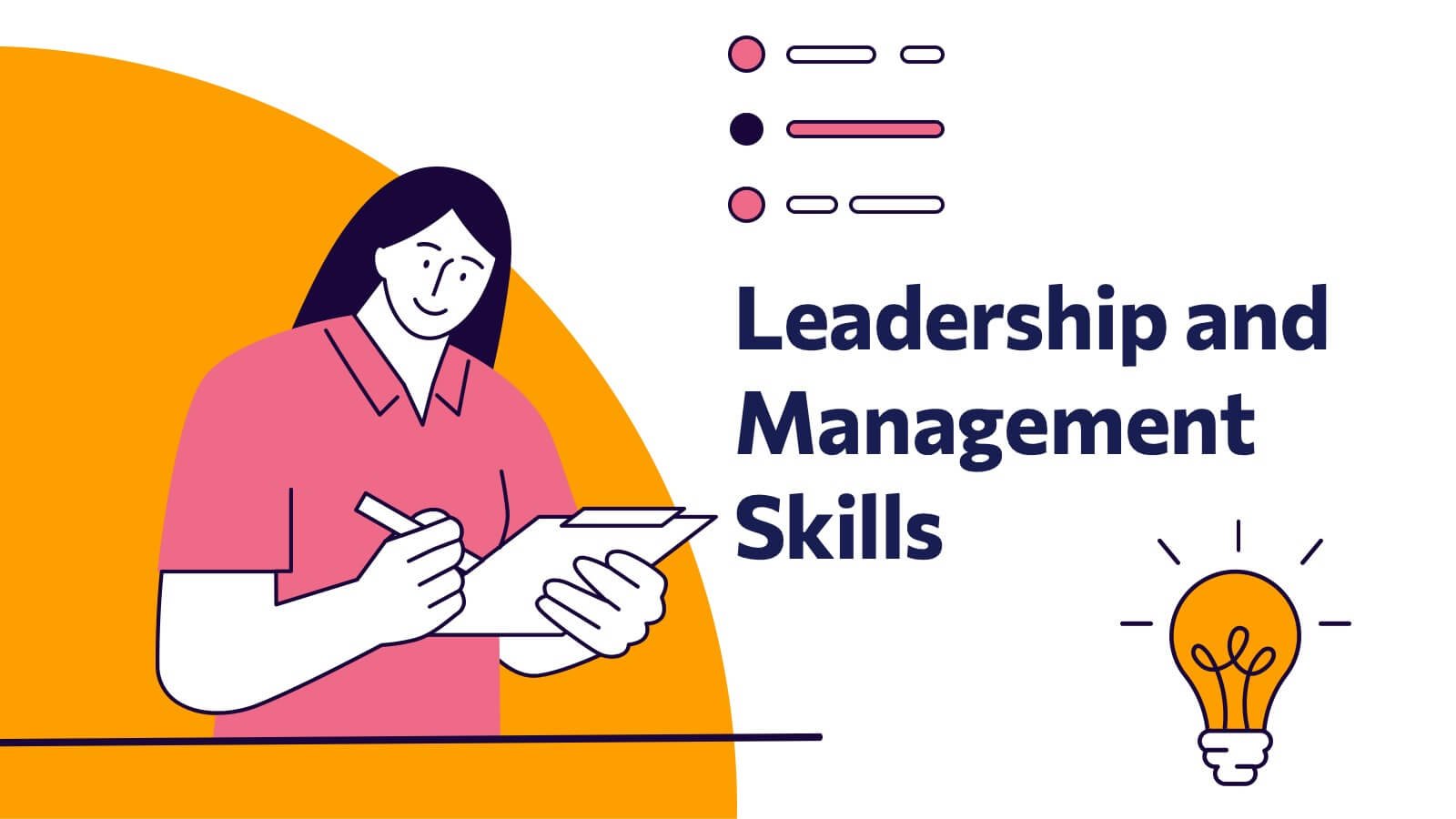
The definition of leadership has undergone a metaphysical reconstruction. In the volatile, high-velocity business environment of 2026, the era of the “Imperial CEO“—the distant, all-knowing figure who commands from a corner office—is definitively over. It has been replaced by the model of the “Connected Catalyst.” Today’s leaders are operating in a lattice-work organization where authority is not derived from a title, but from the ability to synthesize intelligence, foster psychological safety, and accelerate the velocity of decision-making across distributed networks.
Leadership development in 2026 is no longer about learning how to delegate tasks or read a balance sheet; those are commodities. It is about mastering the subtle, high-stakes art of Human-Machine Orchestration. It involves guiding teams that are half-human and half-AI, managing burnout in a workforce that never truly sleeps, and navigating ethical minefields that did not exist five years ago. This guide explores the critical pillars of modern management skills.
The Shift from “Command and Control” to “Connect and Empower”
The most fundamental skill in modern leadership is the unlearning of the industrial-era management style. “Command and Control”—where the manager thinks and the worker does—is too slow for the 2026 economy. By the time an order travels down the chain of command, the market opportunity has vanished.
- Contextual Leadership: The leader’s role is to set the context—the mission, the constraints, and the values—and then empower the edges of the organization to make the actual decisions.
- Decision Rights Mapping: This involves explicitly authorizing specific roles to pull the trigger on budgets or launches, effectively decentralizing the brain of the company. Success is measured not by how many decisions you make, but by how many decisions your team can make without you.
Managing the Hybrid and Distributed Workforce
Leading a team you rarely see in person is the new baseline. Hybrid management is no longer a niche elective; it is the core curriculum.
- Combatting Proximity Bias: Leaders must actively fight the unconscious tendency to favor and promote the people physically closest to them.
- Digital Equity: Restructuring meetings so that remote voices are heard first and designing “Virtual Rituals” (online coffee roulettes, synchronized deep-work sessions) that mimic the serendipity of the physical office without the commute.
- Asynchronous Leadership: Mastering the art of writing detailed, rigorous memos and video updates (Loom/Vimeo) to replace “drive-by” desk conversations.
Emotional Intelligence and Psychological Safety
As Artificial Intelligence commoditizes logic and analysis, the premium on Emotional Intelligence (EQ) has skyrocketed. Leadership in 2026 treats EQ as a “Hard Skill.”
- Empathy Surveillance: The ability to detect signs of burnout or disengagement in a text-based Slack message or a silence on a Zoom call.
- Psychological Safety: Creating an environment where team members feel safe to take risks and admit mistakes without fear of retribution. This involves practicing “Vulnerability Loops,” where the leader admits their own failures first to set a precedent for openness.
AI Literacy for Leaders: The “Human-in-the-Loop”
A leader who cannot work with AI is a liability. Management skills now include deep-dive capabilities in Algorithmic Management.
- AI Audit: Understanding the capabilities and limitations of the AI agents that run operations. Leaders must be the “Human-in-the-Loop” who makes the final ethical call when the data is ambiguous or biased.
- Augmentation Strategy: Identifying which tasks to strip away from human teams to give to bots, and crucially, how to reinvest that saved time into creative, high-value work so employees feel upskilled, not replaced.
Data-Driven Decision Making and Storytelling
In 2026, gut instinct is insufficient. Leaders must be Data Fluent, but data without narrative is noise.
- North Star Metrics: Distinguishing between “Vanity Metrics” (likes, page views) and the few metrics that actually drive business health (Customer Lifetime Value, Retention, Net Dollar Retention).
- Visual Rhetoric: The ability to take a complex dataset and weave it into a compelling vision that motivates the team. This skill prevents “Analysis Paralysis” by focusing the team on the why behind the numbers.
Change Management and “Anti-Fragility”
The only constant is disruption. Traditional Change Management has been replaced by Continuous Adaptation.
- Resilience Engineering: Building teams that get stronger under stress (“Anti-Fragile”). This involves “Scenario Planning” workshops where managers practice navigating hypothetical crises—a supply chain collapse, a PR scandal, or a competitor’s breakthrough.
- The Chief Stability Officer: The leader must provide a steady emotional anchor even while the strategy shifts, using communication protocols of transparency, frequency, and calmness.
The Leader as Coach: The “Grow” Model
The model of the “Boss” who directs work is fading; the model of the “Coach” who develops people is rising.
- The GROW Model: Using the framework of Goal, Reality, Options, Will to structure developmental conversations.
- Socratic Leadership: Asking questions (“What would you do if you had unlimited budget?” “What is the obstacle here?”) rather than giving answers. This developmental focus is critical for retention; high-performers stay with leaders who accelerate their growth, not just their paycheck.
Conflict Transformation and Negotiation
Conflict is inevitable in high-performance teams. Leadership skill has moved away from “Conflict Resolution” (stopping the fight) to Conflict Transformation (using the fight to generate new ideas).
- Interest-Based Negotiation: Focusing on underlying needs rather than stated positions.
- Creative vs. Toxic Friction: Learning to spot the healthy disagreement that leads to innovation and protecting it from devolving into personal attacks. The skilled leader acts as a mediator, guiding the team through the “Groan Zone” of disagreement to the “Convergent Zone” of consensus.
Ethics, Governance, and Responsibility
With the power of AI and data comes profound responsibility. Ethical Leadership is a cornerstone of 2026 management.
- Stakeholder Capitalism: Balancing the needs of shareholders, employees, customers, and the community.
- The “Should We?” Question: Leaders must look beyond “Can we do this?” to “Should we do this?” empowering employees to speak up if they see unethical behavior or algorithmic bias.
Conclusion: The Infinite Learner
Ultimately, the defining skill of the 2026 leader is the Growth Mindset. The best leaders view themselves as “Infinite Learners,” constantly updating their mental models to match the evolving reality. They read voraciously, seek “Reverse Mentorship” from younger employees, and treat every failure as a data point for improvement. In a world where answers are commodities, the leader’s value lies in their ability to ask better questions.